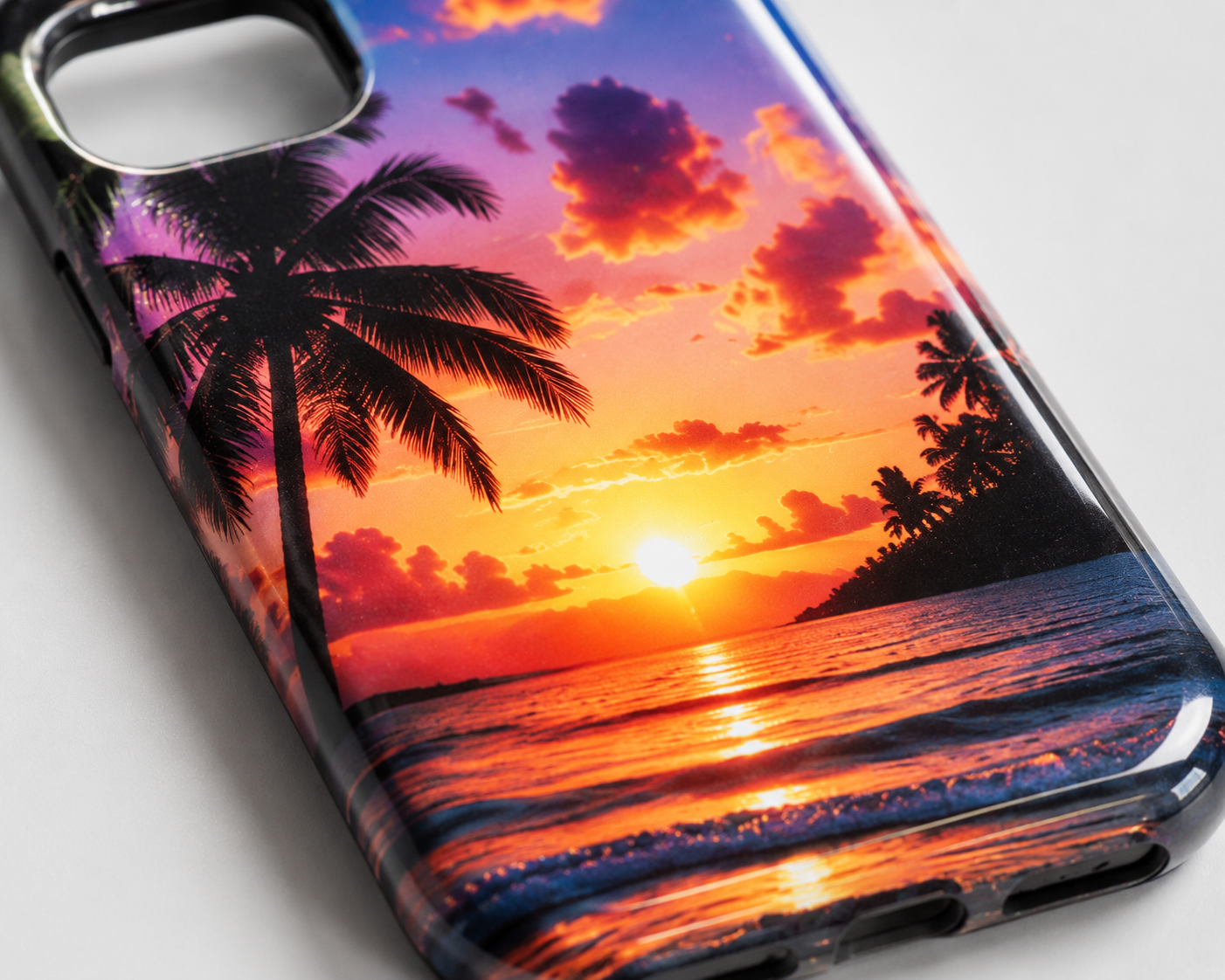
Ask anyone who tried a phone case vending machine five or six years ago and the reaction is usually the same. The case came out looking dull, the print faded within weeks, and the whole thing felt like a gimmick you would try once and never bother with again. That reputation was earned, and for a while it held the entire category back. What changed everything was the arrival of proper UV printing technology inside the machines themselves, and specifically the kind of UV printing phone case vending machine that bonds colour directly into the surface of the case rather than laying it on top like a sticker waiting to peel. The difference in output quality is not subtle. It is the reason these machines are now being taken seriously by customers who would have walked straight past the older versions.
Understanding what UV printing actually does, and why it matters for a product like a phone case, explains a lot about why this market has shifted so quickly.
What UV Printing Actually Does
Traditional printing methods, the kind used in early vending machine setups, worked by applying ink to the surface of a material and letting it dry. The ink sat on top of the case rather than becoming part of it. That worked well enough on paper, but on hard plastic or polycarbonate phone case materials, the results were unreliable. The ink had limited adhesion, colours shifted under UV light over time, and any friction from pockets or bags wore the design down faster than anyone would want.
UV printing takes a different approach. The ink used in a UV printer contains photoinitiators, compounds that react when exposed to ultraviolet light. As the print head lays down ink, a UV lamp follows immediately behind it and cures the ink in real time. The result is a print that is not sitting on the surface but is chemically hardened into a durable layer that becomes part of the case itself.
For a phone case that lives in your pocket, gets dropped, gets stacked against keys and coins, and gets handled dozens of times a day, that difference in durability is the whole game.
Why This Matters More for Phone Cases Than Other Products
A phone case is one of the most physically demanding surfaces you can put a print on. It flexes slightly when dropped, it absorbs impact, it rubs against abrasive surfaces constantly, and it sits under direct sunlight whenever you use your phone outdoors. A print that cannot handle those conditions is going to look rough within a month.
UV cured prints handle all of it considerably better than surface-applied alternatives. The colours stay accurate because the cured layer resists UV degradation. The design does not peel or scratch off because there is no separate layer to separate. And the finish, whether matte or gloss, holds its character over time rather than becoming patchy as the top coat wears unevenly.
For customers, this means a case that looks as good after six months of daily use as it did when it came out of the machine. That is the bar that online custom case retailers have been setting for years, and it is the bar that modern vending machines can now meet.
The Machine Design That Made It Possible
Fitting UV printing capability into a vending machine is not a straightforward engineering task. UV printers are used in large commercial print shops where size and weight are not constraints. Getting that technology into a freestanding machine compact enough to sit in a mall corridor or airport terminal required significant development work.
The machines that do this well share a few characteristics worth knowing about:
- A print bed that holds the case securely during printing, because any movement during the UV curing process affects print accuracy and can create banding or colour inconsistency.
- A calibration system that adjusts for different case thicknesses and surface textures automatically, so the output is consistent across different phone models without manual adjustment between each job.
The software side matters as much as the hardware. The machine needs to process a customer’s chosen design, whether from a catalogue or an uploaded image, and translate it accurately into a print job that the UV system can execute without colour shifting or resolution loss. Machines that handle this well produce results that are noticeably sharper and more colour-accurate than those running older processing pipelines.
What Customers Notice First
People who use a well-built UV printing machine for the first time tend to comment on the same things. The colours are richer than expected. The surface has a quality feel, either a proper gloss or a smooth matte depending on the finish chosen. And the design is precise in a way that looks genuinely intentional rather than approximate.
That last point is more important than it might seem. A custom phone case is a personal item. If the colours are slightly off, or the image is softer than it looked on screen, the whole point of personalisation is undermined. UV printing removes that uncertainty because the output is consistent and the curing process locks in what the customer approved on screen.
For anyone who has ordered a custom case online and been disappointed by the difference between the preview and the delivered product, this is a meaningful improvement. What you see on the machine screen is what you get in your hand.
The Business Case for Better Technology
From the operator side, the investment in UV printing capability pays off in a straightforward way. Better output quality means fewer disappointed customers, stronger word of mouth, and higher willingness to pay. A machine producing cases that look and feel premium commands a better price point than one churning out cases that look like budget merchandise.
It also reduces the trust barrier that held earlier machines back. When the product quality is visible and demonstrably good, customers do not need to be convinced. They can see it in the sample cases displayed on or near the machine, and that is usually enough.
Where the Technology Goes Next
UV printing in vending machines is already good. The direction it is heading suggests it will get better still, with faster cure times, wider material compatibility, and more finish options becoming available as the technology matures and more operators enter the market.
For customers, that means more choice and better results over time. For the category as a whole, it means the gap between what a vending machine can produce and what a specialist print shop can deliver is going to keep narrowing. The machines that established the UV printing standard early are already well ahead of where the category was even three years ago. The ones coming next will close that gap further.
The upgrade already happened. The machines already work. And for anyone still operating on the assumption that vending machine phone cases are not worth the money, it is time to update that assumption.